
Evidence-based evaluation and medication management for anxiety, depression, ADHD, OCD, and bipolar disorder — serving adults and adolescents in Brooklyn and across New York via telehealth.
About
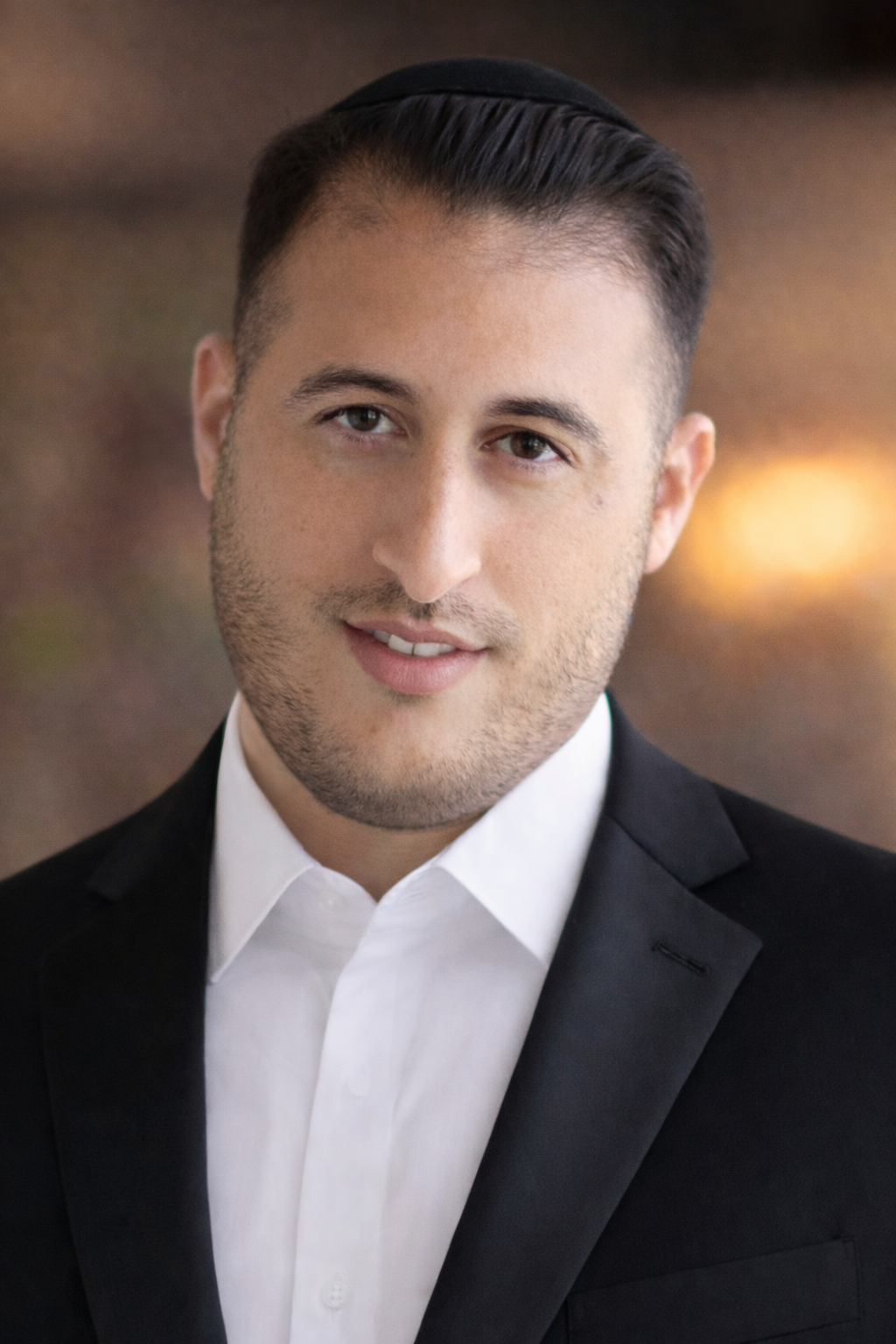
I'm Jacob Esses, a board-certified Psychiatric-Mental Health Nurse Practitioner (PMHNP-BC) practicing in Brooklyn, NY and statewide via telehealth. I started this practice because psychiatric care works best when it's built on a real relationship — not a rotation of providers you have to reintroduce yourself to every few months.
My background spans inpatient units, emergency psychiatric settings, and community mental health — environments where I learned to work with the full complexity of psychiatric illness, not just the straightforward cases. That clinical depth shapes how I approach every patient I see.
When you work with me, you see me — at every appointment, for as long as we work together. I take the time to understand not just your diagnosis, but your life, your patterns, and what actually getting better looks like for you.
Services
A full range of psychiatric services for adults and adolescents, delivered with care and clinical expertise.
A thorough initial assessment covering your psychiatric, medical, and personal history to establish an accurate diagnosis and a clear path forward.
Thoughtful prescribing and ongoing monitoring of psychiatric medications, with regular follow-ups to optimize your treatment plan over time.
Specialized treatment for anxiety disorders, depression, bipolar disorder, OCD, PTSD, and related conditions affecting your daily life.
Comprehensive evaluation and evidence-based management of ADHD in adults and adolescents, including medication and coordination with therapists.
Close coordination with your therapist, primary care physician, and other specialists to ensure seamless, integrated mental health care.
Convenient, HIPAA-compliant video appointments from anywhere in New York — no commute required, with the same quality of care.
Common Conditions
Click any condition below to learn more and read answers to frequently asked questions.
Attention-Deficit/Hyperactivity Disorder
Can adults be diagnosed with ADHD?
Yes — many adults go undiagnosed until adulthood. Adult ADHD often looks different than in children, presenting as chronic disorganization, difficulty sustaining focus at work, and emotional dysregulation rather than hyperactivity.
Is medication always required?
Not always. While stimulant medications are highly effective, treatment is individualized. Non-stimulant options and behavioral strategies are also considered based on your history and preferences.
How is ADHD diagnosed?
Diagnosis involves a thorough clinical evaluation of your history, current symptoms, and functional impact — not just a checklist. We review childhood patterns, current challenges, and rule out other contributing causes.
Major Depressive Disorder & Persistent Depression
How do I know if it's depression or just a hard time?
Depression involves persistent low mood, loss of interest in activities you once enjoyed, changes in sleep or appetite, and difficulty functioning — lasting more than two weeks. If symptoms are interfering with daily life, it's worth getting evaluated.
What medications are used to treat depression?
SSRIs and SNRIs are commonly used first-line treatments. We work with you to find the right medication and dosage based on your history, prior treatments, and side effect profile.
How long before I feel better on medication?
Most antidepressants take 4–6 weeks to show meaningful effect, with full benefit sometimes taking up to 12 weeks. We monitor your progress closely and adjust as needed.
Generalized Anxiety, Panic Disorder & Social Anxiety
What's the difference between normal anxiety and a disorder?
Anxiety becomes a disorder when it's excessive, persistent, hard to control, and interferes with daily functioning — including work, relationships, or physical health. Everyone feels anxious sometimes; an anxiety disorder is when it takes over.
Can anxiety be treated with medication?
Yes. SSRIs and SNRIs can significantly reduce anxiety symptoms. We may also coordinate with a therapist for combined treatment, which tends to produce the best long-term results.
Do I have to be on medication forever?
Not necessarily. Treatment duration depends on the type and severity of your anxiety. Some people benefit from short-term medication; others do better with ongoing treatment. We discuss your goals openly at every visit.
Bipolar I, Bipolar II & Cyclothymia
How is bipolar disorder different from depression?
Bipolar disorder includes episodes of mania or hypomania — elevated or irritable mood, decreased need for sleep, increased energy — in addition to depressive episodes. Antidepressants alone can worsen bipolar, which is why accurate diagnosis is so important.
What medications are used for bipolar disorder?
Mood stabilizers such as lithium or valproate and certain atypical antipsychotics are mainstays of treatment. The right medication depends on the type of bipolar disorder, your history, and how you've responded to prior treatments.
Can I live a normal life with bipolar disorder?
Absolutely. With the right treatment, most people with bipolar disorder lead full, stable, and productive lives. Consistent medication, regular monitoring, and a strong support system are key.
Obsessive-Compulsive Disorder
How do I know if I have OCD or just bad habits?
OCD involves persistent, unwanted intrusive thoughts (obsessions) that cause real distress, and repetitive behaviors or mental acts (compulsions) performed to relieve that distress. Unlike habits, OCD compulsions are driven by anxiety and can consume an hour or more each day.
What treatments are available for OCD?
The gold standard is Exposure and Response Prevention (ERP) therapy, often combined with medication — typically SSRIs at higher doses than used for depression. We manage the medication component and can coordinate closely with an OCD-specialized therapist.
Can OCD be managed long-term?
Yes. OCD is a chronic but highly treatable condition. With the right combination of medication and therapy, most people achieve significant symptom reduction and lead full, functional lives. Many people experience substantial improvement within a few months of starting treatment.
Insurance & Fees
Quality psychiatric care should be accessible. I work with many major insurance providers to help make that possible.
Self-Pay & Out-of-Pocket
For patients paying out of pocket, all fees are listed below. A superbill is available upon request to submit for potential out-of-network reimbursement.
Even if I am not in-network with your insurance plan, you may still be eligible for partial reimbursement through your out-of-network benefits. A superbill is an itemized receipt I provide after each visit — your insurance does the rest.
Call the member services number on your insurance card and ask: "What are my out-of-network mental health benefits?" to find out what you may be eligible for.
Telehealth
Available to patients throughout New York State — from the comfort of your home, office, or anywhere with a private internet connection.
Scheduling is easy through Headway. Check your insurance, browse availability, and book your first appointment — all in one place.
Book an AppointmentPowered by Headway · HIPAA-Compliant
Contact
Have questions before booking? Reach out and we'll be happy to help.
New patients welcome. Fill out the form below and we'll get back to you within one business day.